

a welcoming and generous territory
Abruzzo, characterized by a wild and strong nature both in the sea and mountain areas, is a region rich not only in nature reserves, but also in cultural traditions, villages and cities of art that make it famous all over the world.
From Camping Village Grotta del Saraceno it is possible to set out to discover Vasto, l’Aquila, the capital, Chieti, Lanciano and Teramo. Art cities dense with history, full of churches, palaces and interesting archaeological sites. The region, throughout the summer season, also offers the opportunity to go on a discovery tour of folk festivals and fairs in the many villages and towns that dot the territory.
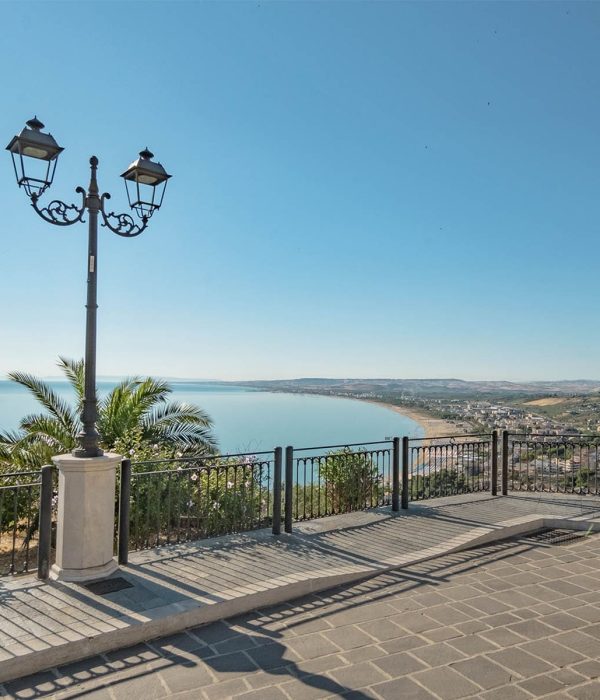
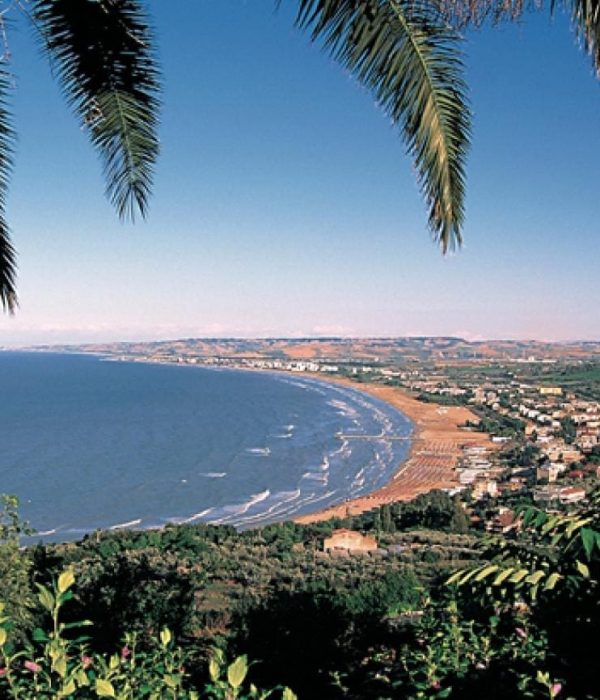
Nestled on the beautiful gulf that frames breathtaking views from every corner of the city and paints sunsets over the sea that are always unique, Vasto is an unmissable stop along the picturesque Trabocchi Coast in the heart ofAbruzzo.
According to legend, Vasto was founded by Diomedes, but what is certain is its pre-Roman origin, when the local population had contacts with the ancient Greeks. During Roman times, the city gained great importance, becoming a municipality with the name Histonium.
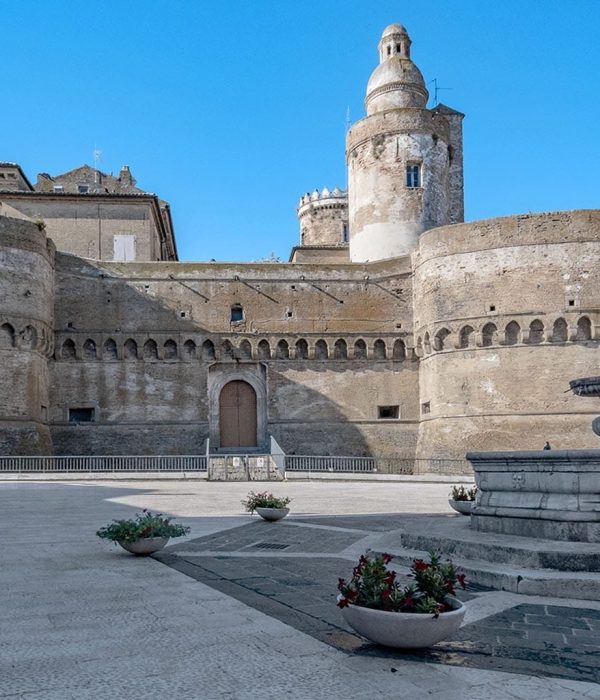
Over the centuries, Vasto suffered barbarian invasions, was repeatedly destroyed and conquered, passing under the rule of different feudal lords. In 1496 it was assigned to the Spanish D’Avalos family, who left a lasting imprint by building a palace of historical significance, which still exists, although modified over time.
Between the 12th and 17th centuries, the town experienced further looting and devastation, including that wrought by the Turks in 1556. Later, it was part of the Kingdom of the Two Sicilies until 1860, when Vasto, the first city in Abruzzo, proclaimed the fall of the Bourbon Kingdom.


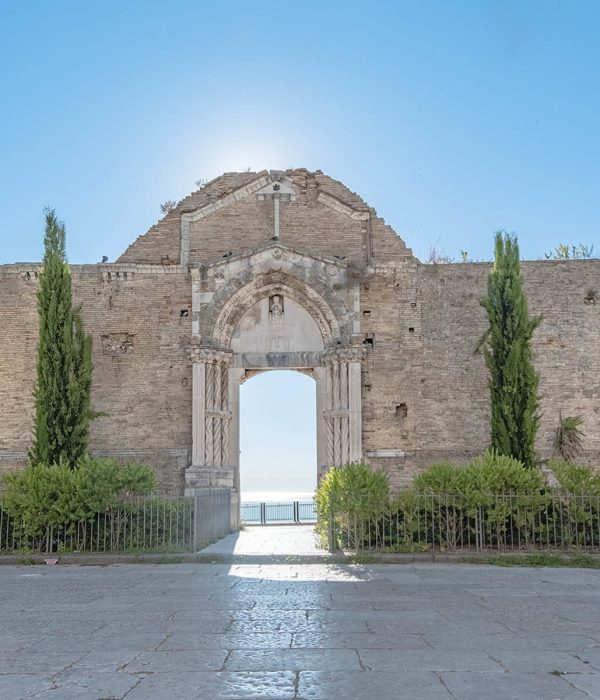
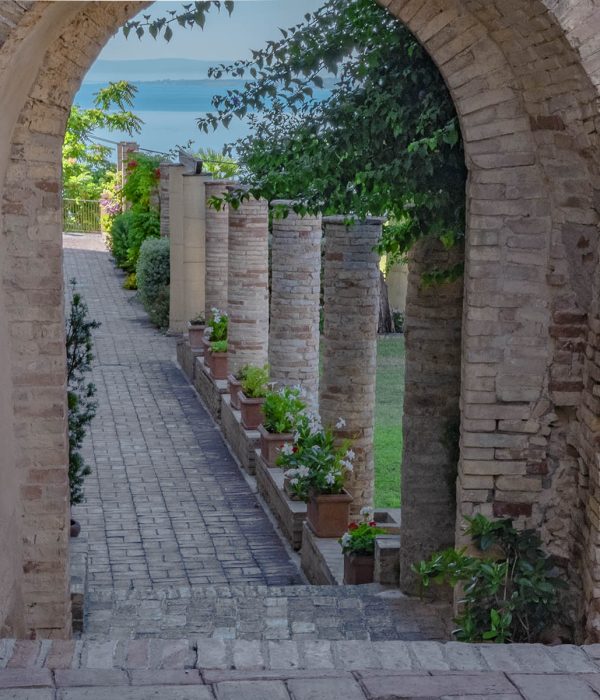
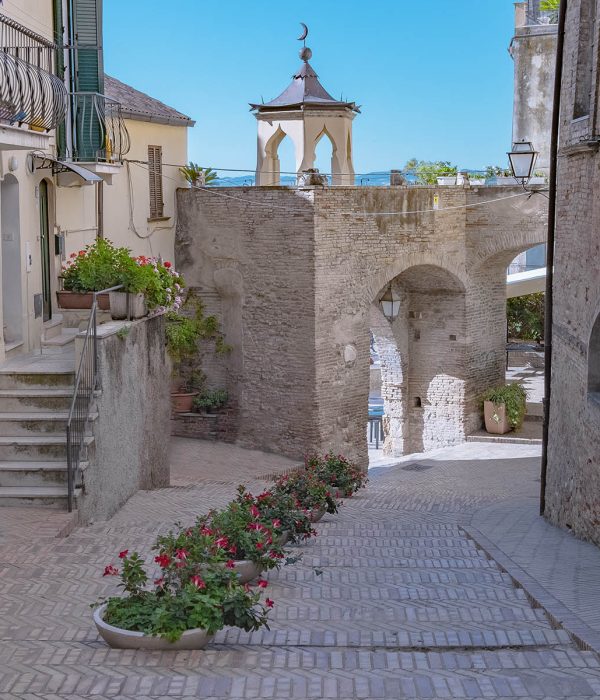
From Palazzo D’Avalos, I recommend heading initially to the left: you will find yourself facing one of the most enchanting viewpoints in the city. Here, an evocative stretch of promenade will lead you to the Porta di San Pietro, the portal that represents the only remaining evidence of the ancient church, destroyed by the devastating landslide that struck this area in 1956. Along the way, you will come across many cozy places, ideal for tasting local specialties or spending a pleasant evening.
Continuing further, you will reach the Church of St. Anthony, whose portal represents the only example of Gothic architecture in the city. Next to the church are the ancient Roman baths, where you can admire extraordinary mosaics dating back to the second century AD, depicting marine scenes and the god Neptune.
During winter, the baths are often closed, but in summer and during FAI days it is possible to visit them thanks to interesting guided tours.


Punta Penna beach, located in the territory of Vasto, is among the most fascinating of the Abruzzo coastline thanks to its free and wild character. This corner of paradise, an integral part of the Punta Aderci Regional Nature Reserve, enchants with its unspoiled beauty, an authentic symbol of the region’s natural heritage.
Beloved by Abruzzi residents and visitors alike, Punta Penna is distinguished by the purity of its crystal clear waters and golden sand. The clarity of the sea often offers the chance to spot sea turtles and other rare species, which find an ideal habitat here, making this beach a unique and valuable place to discover and preserve.

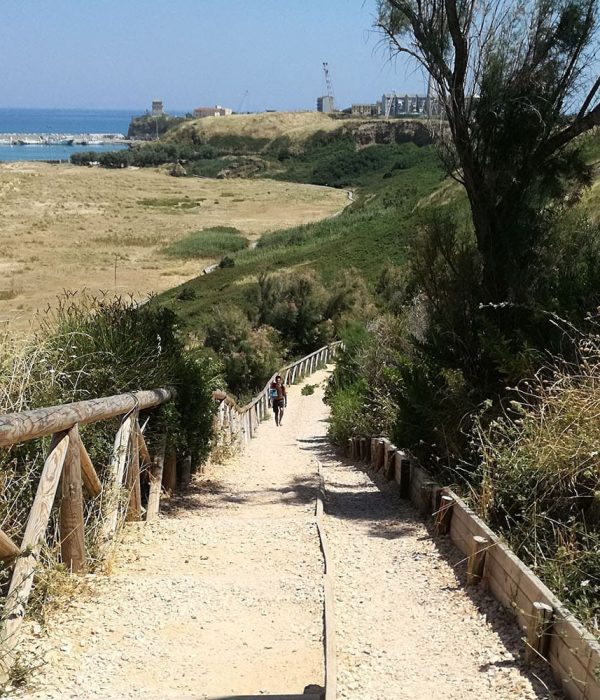
The Punta Aderci Regional Natural Reserve, established in 1998, is one of the most striking places on the Abruzzo coast, extending 285 hectares from Punta Penna in Vasto to the mouth of the Sinello River in Casalbordino. Characterized by sandy beaches, coastal dunes, cliffs and Mediterranean scrub, the reserve offers spectacular landscapes, ideal for activities such as canoeing, diving and hiking and biking. From the promontory of Punta Aderci, there are panoramic views encompassing the seabed and the mountain profiles of Majella, Gran Sasso and the Sibillini Mountains. Mottagrossa Beach and the scenic trail complete the experience. Open year-round, the reserve has a summer information point for canoe and mountain bike rentals. It is also a habitat for numerous bird species, including the fratino, the reserve’s symbol.

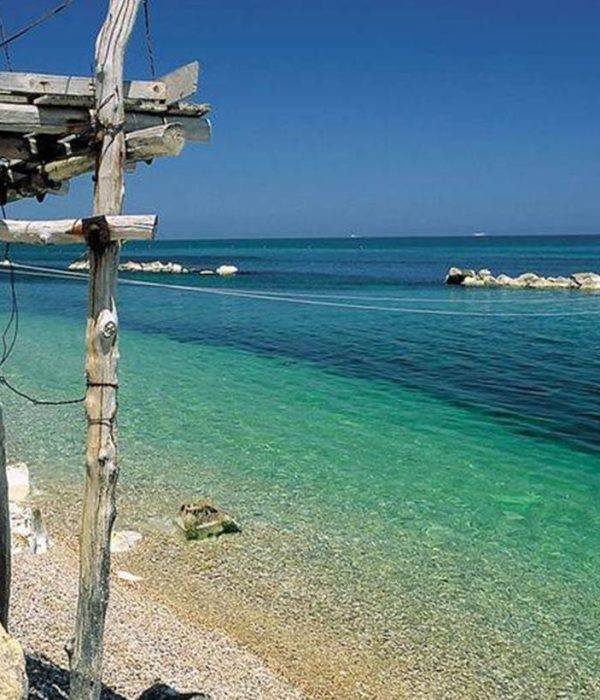
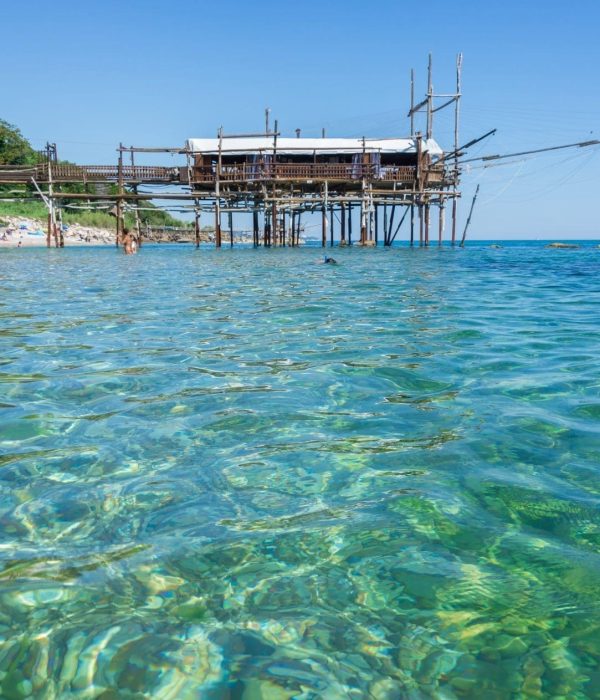
Trabocchi, ancient fishing tools, are a timeless symbol of Abruzzo tradition and culture, particularly along the Chieti coast. These ingenious wooden constructions, anchored to rocks or reefs, spread out toward the sea with platforms and long arms, called antennae, that hold a narrow-meshed net known as a trabocchetto. Using a system of winches, fishermen could dip and lift the net without going out to sea.
The history of the trabocchi is rooted in the past, with origins supposedly going back to the Phoenicians, although certain documents attest to them from the 15th century. The name itself derives from the Latin trabs, meaning “beam,” in reference to the Aleppo pine wood beams used in their construction, a common and durable material in the area.
Celebrated even by Gabriele D’Annunzio in his Triumph of Death as “machines that seemed to live a life of their own,” the Trabocchi were not only fishing tools but sometimes also dwellings for fishermen. Today they are icons of the Costa dei Trabocchi, a cultural and landscape heritage that tells the story of a people and their connection to the sea.

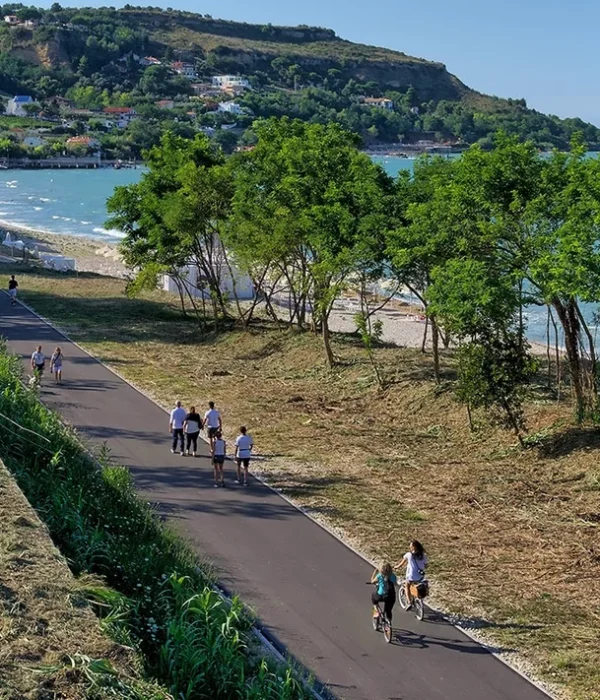
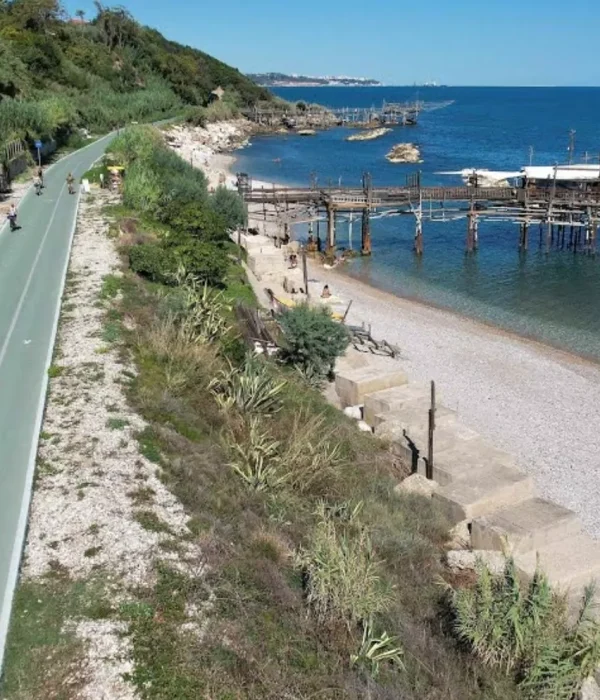
The Via Verde dei Trabocchi winds along the picturesque Trabocchi Coast in Abruzzo, providing a memorable experience that harmoniously blends scenic enchantment with the region’s cultural heritage. This extraordinary bicycle route, extending some 40 kilometers, links the charming towns of Ortona and Vasto, offering visitors breathtaking views of the Adriatic and a close encounter with the trabocchi, the iconic fishing structures that dot the coast.
Surrounded by unspoiled nature, cyclists can ride along the route caressed by the sea breeze, passing through a mosaic of landscapes of rare beauty. The route winds between golden beaches, cliffs plunging into the sea and lush pine forests, providing an ideal setting for moments of contemplation and beautiful photographs. The vastness of the sea stretching to the horizon, combined with the quietness of the route, makes each ride a unique and rejuvenating experience.

The Via Verde dei Trabocchi runs along the Abruzzo coast, retracing the evocative route of the old Adriatic railway. Its itinerary begins in Ortona, a town steeped in history and surrounded by generous nature, and ends in Vasto, a charming seaside village enriched by a splendid nature reserve.
Crossing the Via Verde, a veritable treasure chest of natural beauty unfolds before visitors. Majestic cliffs rise sheer from the sea, providing spectacular views that take your breath away. Secluded coves invite rejuvenating stops, immersed in quiet and lulled by the sound of the waves. Sandy dunes, authentic works of art sculpted by nature, alternate with stretches of wild coastline, composing a landscape that masterfully interweaves land and sea. There is no shortage of nature reserves, sanctuaries of biodiversity where flora and fauna find refuge and thrive undisturbed.
This sustainable mobility work represents not only a route for cyclists and walkers, but a journey through the culture, history and flavors of Abruzzo, offering an experience that harmoniously combines nature, tradition and discovery.
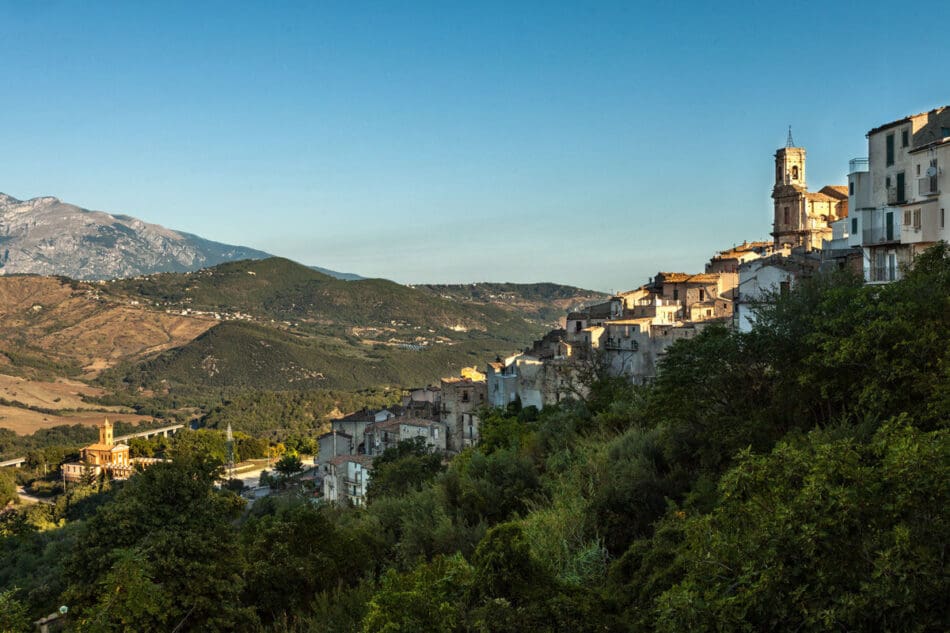
Scanno, one ofItaly‘s most charming villages, is famous not only for its traditional women’s costumes, but also for being immortalized by the greatest photographers of the 20th century, earning it the title of “photographers’ town.”
This charming medieval town, nestled among the mountains of Abruzzo National Park, preserves intact traditions and landscapes that have inspired internationally renowned artists.
Scanno‘s timeless beauty, striking views and daily village life have captured the attention of photography masters such as Henri Cartier-Bresson, pioneer of photojournalism, German photographer Hilde Lotz-Bauer and Italian Mario Giacomelli, famous for his iconic shot The Child of Scanno.
The images of these artists have helped make the village a unique destination for lovers of photography and culture.
– Opening 06/06/2026 closing 05/09/2026
– We suggest checking your spam folder for any communications
Those who choose Vasto for their holiday often come for the sea. Then they… Read moreRead more Experiences to Enjoy in Vasto and the Surrounding Area: The Authentic Heart of the Costa dei Trabocchi
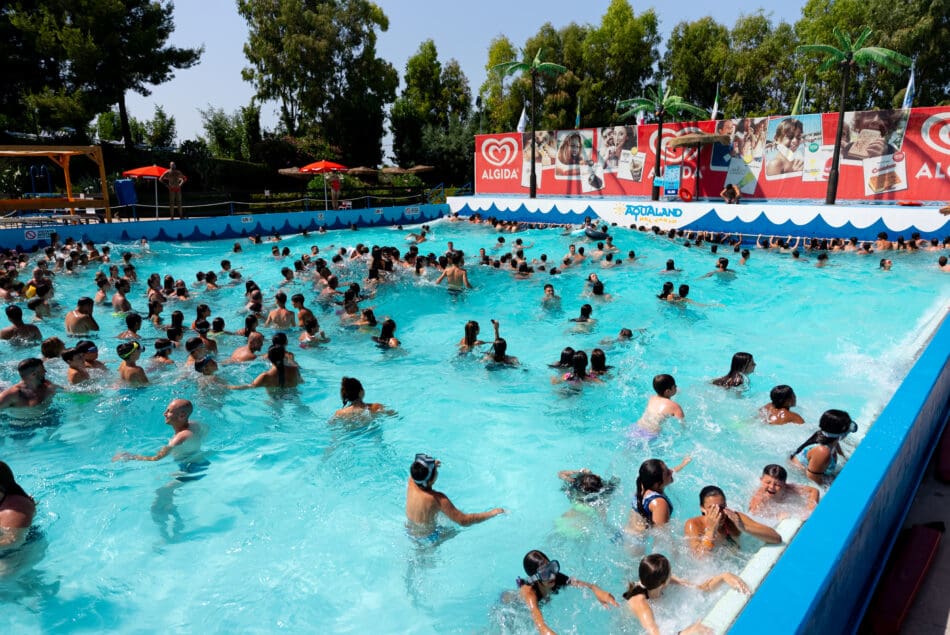
Vasto’s Aqualand: fun and relaxation just minutes from Grotta del Saraceno There are summer… Read moreRead more Vasto’s Aqualand
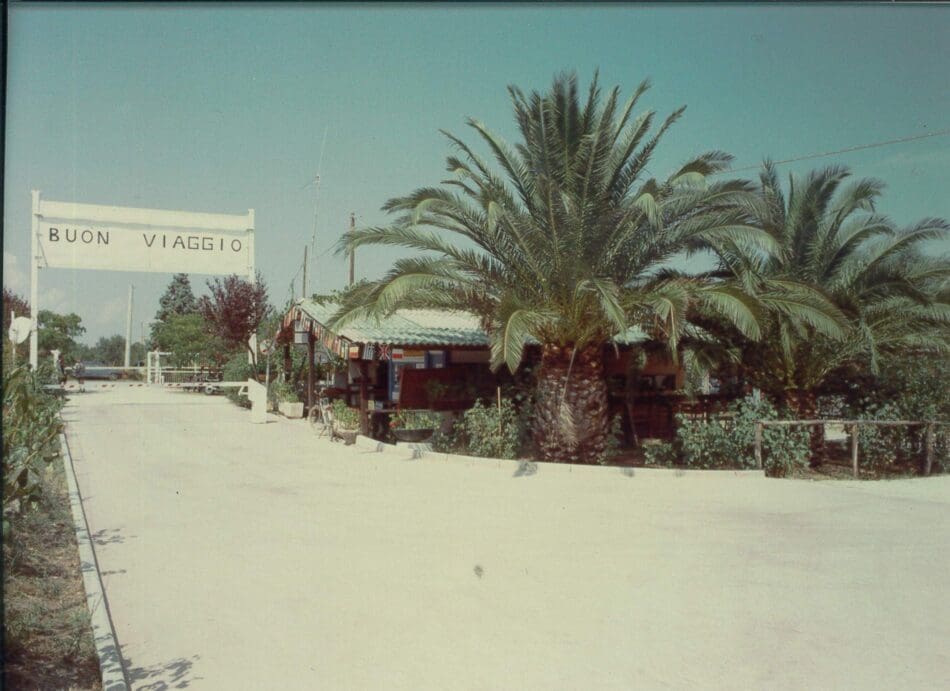
There are places that are not told only with words. They remember. Grotta del… Read moreRead more 50 SUMMERS TOGETHER