



The Tremiti are a small archipelago resting placidly in the Adriatic Sea. The Tremiti form a protected marine nature reserve in the province of Foggia.
Composed of five islands, only two are inhabited: San Domino and San Nicola.
Let’s explore the Tremiti!
Tremiti Islands: History and Legend
The Tremiti were known since ‘antiquity as the islands of Diomedes or Diomedee, named after the Homeric hero who, according to legend, was buried there.
The goddess of love Aphrodite turned her companions into procellarias so that they would continue to lament the loss of their lord and watch over his grave.
It is still possible to hear the unique cry of these seabirds on the island of San Domino, particularly in the evening hours at the viewpoint called Picco delle Diomedee.
Human presence has been attested in San Domino since the Neolithic period.
Tremiti Islands: San Domino
San Domino is the largest and most extensive island in the entire Tremiti archipelago.
The most important and probably most interesting one from a naturalistic point of view. As you can imagine, Nature reigns supreme.
A wild little island and Entirely covered with Mediterranean scrub, it has only one sandy beach, Cala delle Arene, behind the harbor, and several rocky, very small coves.
Don’t think it’s easy to get around this island on foot. If it takes 20 minutes from the harbor to the town center, getting from one end to the other takes more than an hour.
We recommend a boat tour of the entire island to observe all its natural beauties such as: the Sea Ox Cave, named after the monk seals that used to stop here; the Cave of the Violets and Crocodile; and the very famous Elephant Rock.
Tremiti Islands: San Nicola
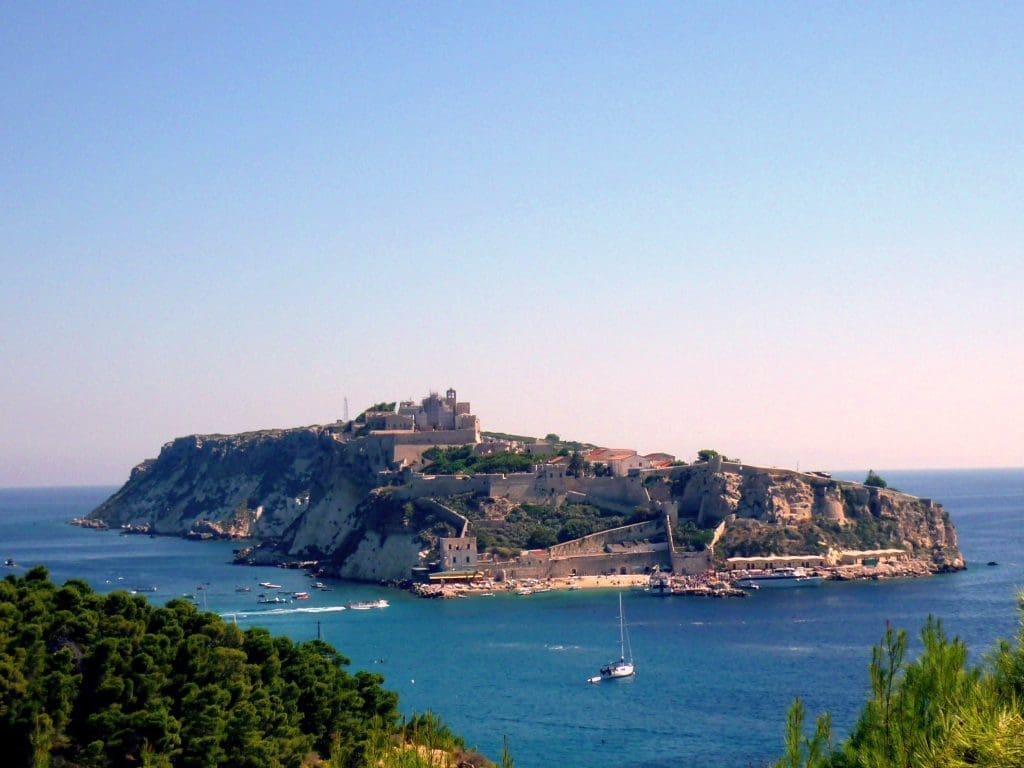
The island of St. Nicholas is certainly the most important historically and administratively in fact numerous historical and architectural relics of important value arise on it.
The abbey of Santa Maria a Mare has overlooked the sea from above the cliff for centuries. Its history is lost in legend: built by Benedictines in the 9th cent. century; put to the sword by pirates; then inhabited again until the late 1500s
St. Nicholas offers to see: the Tower of the Knight of the Crucifix, the Badiali Castle, and the aforementioned Abbey.
On the other hand, from the naturalistic point of view we point out: the famous St. Michael’s Cave, and the Segati Reefs.
Tremiti Islands: the smaller islands
Capraia is certainly the most famous minor island of the Tremiti.
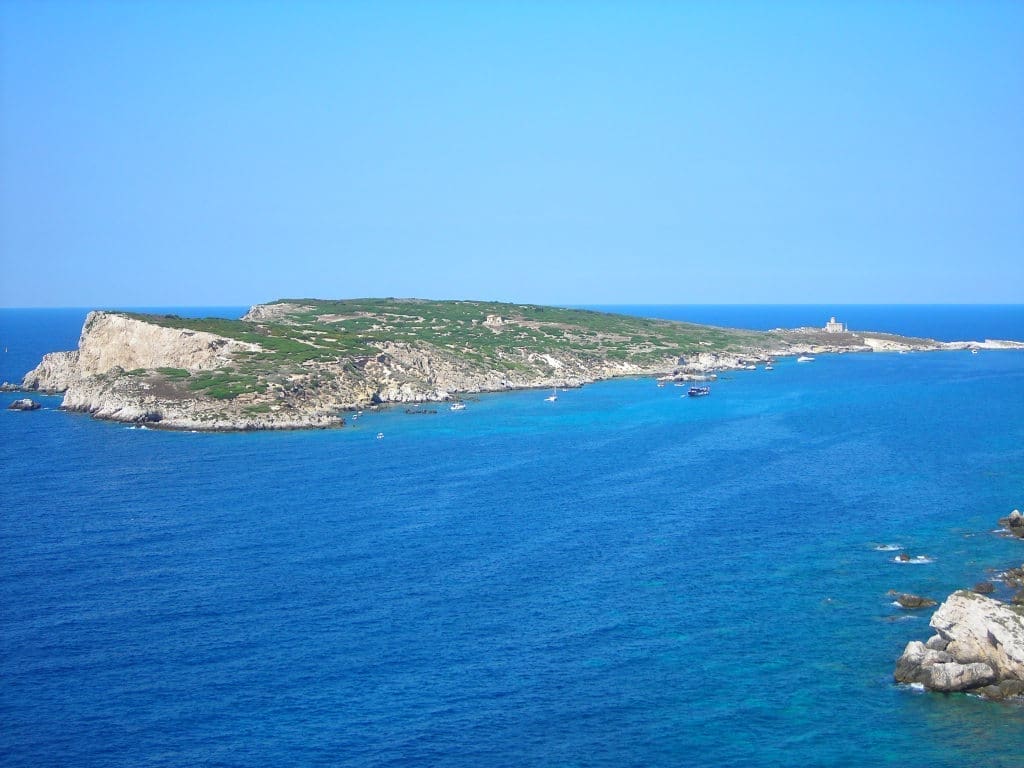
Known for its caper plants, Capraia is uninhabited and landing is not permitted.
Many excursions, however, stop just a few meters from its shores because a sunken statue of Padre Pio is located here.
Pianosa and Cretaccio are rocky, uninhabited plains.
Important from a naturalistic point of view as they are still pristine.
We recommend guided diving in the Pianosa seabed as it is rich and varied in flora and fauna.
Tremiti Islands: how to get there?
The Ferry to the Tremiti Islands is easily taken from Termoli, which is about 35 minutes from Vasto.
The service is provided by fast ferries and starts early in the morning until late in the evening.
We recommend reservations and a minimum of organization on the island, although you can find all the most important tourist services.
Surely our receptionists can offer you more guidance!